Right then. A bit of a mixed bag this week. There’s a hornet hunt going on across the Irish Sea, some clever work from California on keeping bees away from sprayed crops, and a Finnish paper that could start a…
Nadiring a Super: Should You Put One Under the Brood Box for Winter?
Every autumn the same question does the rounds on the beekeeping forums. Someone asks about nadiring and within about four replies somebody’s calling it fashionable nonsense and somebody else is swearing by it. So I thought I’d have a go…
Buzz Beekeeping Experience: 2027 Dates Now Live
Booking now open The 2027 dates for the Buzz Beekeeping Experience are up, and booking’s open now. Eight sessions across June and July, right in the thick of the season when the colonies are busy and there’s plenty going on.…
The Asian Hornet Threat: Why Early Eradication Matters Now
Chris Packham wrote in the Guardian recently that Asian hornets are a distraction. Compared to pesticide misuse and habitat loss, he argued, panicking over a few thousand invasive wasps is missing the point. He called them “brutal bovver buzzers” and…
Swarm Season
If you’ve ever wandered out into the garden and found a football-sized clump of bees hanging off a branch, you’ll know the feeling. Half fascination, half “what on earth do I do now.” It’s exactly how I got into this…
What Makes Yorkshire Honey Special? (From a Yorkshire Beekeeper)
If your honey tastes the same all year round… it probably isn’t real. That might sound bold – but it’s one of the biggest clues we see when people first try proper, local Yorkshire honey. Because real honey, the kind…
Radio 4 The Food Programme – The Honey Trap
In the BBC Honey Trap episode from The Food Programme, listeners were given a rare behind-the-scenes look into the global scandal of fake honey. Exposing the Sticky Truth About Fake Honey In this compelling episode of BBC Radio 4’s acclaimed…
Propolis: The Hidden Source of Bee Health in Every Drop of Honey
Propolis: The Hidden Source of Bee Health in Every Drop of Honey Why Propolis Matters More Than We Thought A new study from the Czech Academy of Sciences has uncovered a remarkable secret about propolis—the resinous substance bees use to…
Protecting UK Bees: The Animal and Plant Health Inquiry
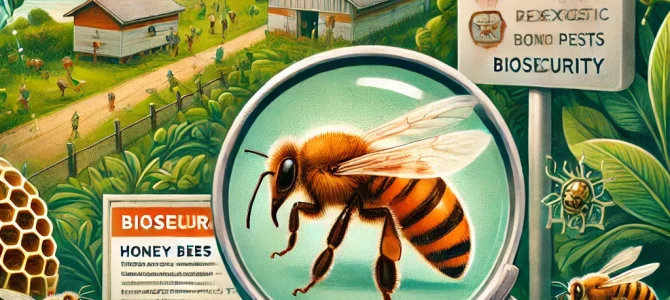
The UK’s biosecurity landscape is undergoing significant transformation, with the Animal and Plant Health Agency (APHA) undergoing a multi-billion-pound redevelopment, new sanitary and phytosanitary (SPS) checks being introduced for EU imports, and the UK adapting to changes in surveillance, workforce…
Protecting the Purity of British Honey: Why This Petition Matters
https://petition.parliament.uk/petitions/702077 The sweet world of honey—a product synonymous with purity, nature, and hard work—is under threat. Recent revelations have highlighted a serious issue in the UK market: honey adulteration. This involves the dilution or substitution of genuine honey with cheaper…
The Queen Honey Bee
The queen honey bee is the cornerstone of a honey bee colony. Despite her regal title, the queen is not a monarch in the traditional sense—she doesn’t govern or make decisions for the colony. Instead, her primary role is as…
Webinar Spotlight: Jamie Ellis Shares Queen Bee Insights
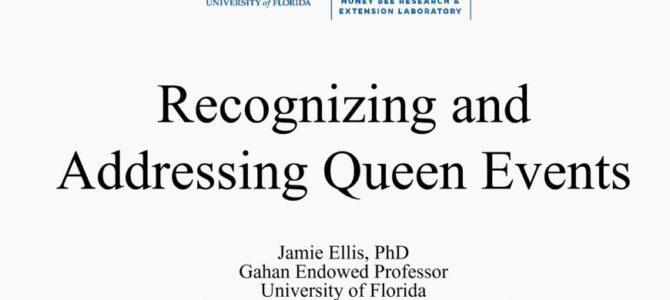
The Yorkshire Beekeepers Association (YBKA) put on a captivating webinar with honeybee expert Dr. Jamie Ellis. Chaired by Elaine Robinson, the session concentrated on “Queen Events” that honeybee colonies sometimes face. Dr. Ellis, who heads the Honeybee Research and Extension…
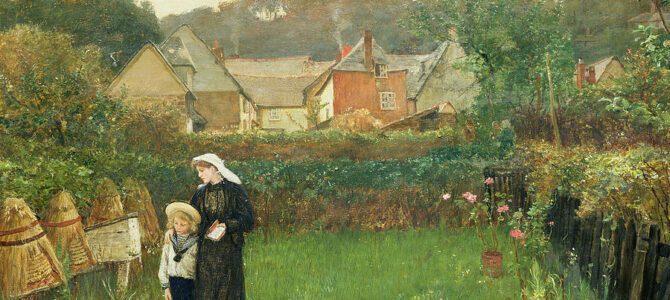
Telling the Bees: A Timeless Tradition of Connection and Respect
In the world of beekeeping, there exists a tender and age-old tradition known as “telling the bees.” This custom, rooted in folklore and steeped in reverence, involves informing a hive of bees about significant events in their beekeeper’s life—especially the…
The Truth About Honey Fraud Exposed!
Beekeepers worldwide are struggling against counterfeit honey that floods the global market, making it nearly impossible for real producers to compete. A shocking undercover investigation at Paris SIAL 2024 has revealed how fake honey, often a mix of syrups and…
Maximising production with native honey bees – Colm ÓNéill
In a 2023 webinar, Colm O’Neill shed light on sustainable beekeeping practices cantered around the preservation and utilization of native honey bees, specifically Apis mellifera mellifera (AMM), or the European Dark Bee. Colm’s approach emphasizes working with nature rather than against it, focusing on fostering strong local adaptations that allow bees to thrive in their natural habitats without heavy interventions. His insights align with the BIBBA (Bee Improvement and Bee Breeders Association) and the B4 project in the UK, which advocates for using locally adapted bees to maintain the health and resilience of regional populations.
A cornerstone of Colm’s methodology is using high-density colony management and strategic brood rotation. By keeping colony numbers strong and rotating brood frames frequently, beekeepers can minimize disease build-up and maintain a workforce ready for peak honey production. This approach also naturally limits swarming, reducing the need for artificial interventions that could disrupt colony harmony.
Colm also highlighted the importance of selective breeding. Choosing queens and drones with traits such as disease resistance and low swarming tendencies reduces dependency on chemical treatments. This method strengthens bee populations over time, supporting Varroa resistance and other natural defences, which are especially vital in untreated, chemical-free systems.
Ultimately, Colm’s message is about sustainability: rather than importing non-native bees or relying on short-term fixes, he advocates for practices that respect and work within the bees’ natural behaviours. His approach not only enhances productivity but also supports biodiversity and long-term resilience, reflecting a deep commitment to ecological beekeeping.
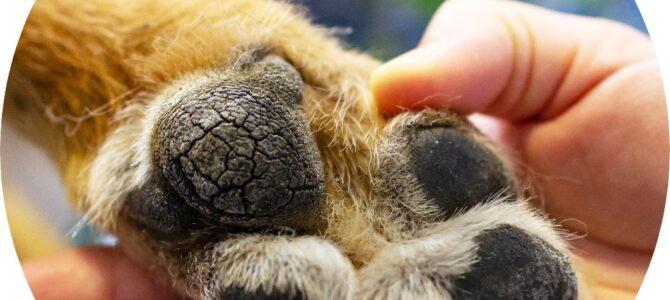
Pet Paw Balm
Introducing Our New Pet Paw Balm: Natural Care for Your Furry Friends When it comes to pet care, sometimes the simplest ingredients make the most effective remedies. That’s why we’re thrilled to launch our very own Pet Paw Balm –…
Honey Bee Genetics
In the ever-evolving field of apiculture, the significance of genetics in the management and preservation of honey bee populations cannot be overstated. At the forefront of this discussion is a lecture delivered by John Chambers at the National Honey Show.…
Epigenetics and Its Importance to Genetic Stability in Honey Bee Populations
When we talk about keeping our honey bees healthy and happy, there’s something really special we need to think about, and it’s called “epigenetics.” It might sound complicated, but it’s actually a fascinating part of science that helps us understand…
Chronic Bee Paralysis Virus (CBPV)
In his presentation at the BBKA Spring Convention, Prof Giles Budge starts by asking the audience if they have seen the symptoms of the disease and then explains the symptoms in detail. He then talks about the causative agent of the…
Sponsor a Hive
Helping bees while not being able to have a beehive of your own! This is the perfect package for individuals as well as company sponsorship. A unique gift for a nature enthusiast, or an option for you if you love bees…
What’s Comb Honey?
As beekeepers we provide a frame with a thin sheet of wax foundation. The bees draw this out and fill it with nectar which they ripen into honey and seal with a wax capping. In cut comb honey, instead of…
Nectar-Rich Seeds to Feed Native Bees
Why these? Well, they are cost-effective, easy to grow, suppresses weeds, provides good cover all year round, and are hardy plants. They are all self-seeding as well, meaning that your patch will continue feeding bees for years to come. Find…
Is your honey raw?
No jarred honey, in our opinion, is ‘raw’. The only way to enjoy ‘raw’ honey is to eat it directly from the combs. To our mind, ‘raw’ honey is exactly what it sounds like – honey that is raw, unprocessed,…
How can I help pollinators?
Bees are essential to our ecosystems. I often get asked how people can help pollinators. My answer is simple: plant for pollinators. Planting for bees entails developing a habitat that gives bees the food and protection they require to survive.…
What are Apis mellifera mellifera (Amm)?
This article is taken from the BIBBA.com website. Native Honey Bees The Dark European Honey Bee – Apis mellifera mellifera (Amm) It is fairly certain that the Dark European Honey Bee, Apis mellifera mellifera, has been native to mainland Britain…
Honey Adulteration
Goat’s Milk and Honey Soap
Essential Oils Lavender, Frankincense, Rose, Geranium and Marigold. Goat’s Milk Goat milk is rich in both saturated and unsaturated fats meaning our soap produces a good lather and provides great moisturising and nourishing properties. Goat milk soap boasts high amounts…
Honeygar: The elixir of life?
Honeygar is a mix of honey and vinegar. What’s Inside? Organic apple cider vinegar With the ‘Mother’ Unadulterated Yorkshire honey from our own bees Propolis extract Our honey is gathered by the bees from the Yorkshire trees, hedgrows and gardens…
Propolis: bee medication?
What is propolis? Propolis is plant resin, sometimes mixed with beeswax. Plants when they are stressed or diseased, will produce resin from the bark, leaf buds and sometimes, the flowers (in Europe, mostly conifer and populus trees). The resins that…
Best Honey in Show Sep 2021
For the last 11 years, I have stewarded the cattle section at Penistone Show. Every year I say to myself that I’m going to enter the honey show…every year, time runs away and it’s too late. This year I thought…
What beekeeping equipment do you need?
Personally, when it comes to equipment, I think beginners should stay away from “Beginner’s Kits”. Mainly because of the stuff you don’t need and secondly because of the dubious quality of some kits where they try and give you all…
So you want to keep bees?
Beginner Beekeeping Advice Thinking About Keeping Bees? Read This First. I’m often asked how to get started in beekeeping. Before you buy your first hive, here are the things I believe every new beekeeper should know. If your goal is…
How is Soft Set Honey Made?
Enjoyed on toast all over the UK, soft set honey (or creamed honey) is favoured for its spreadable consistency and created through a process called “seeding”. All good quality honey granulates over time- it’s a natural process. Depending on the…