If your honey tastes the same all year round… it probably isn’t real.
That might sound bold – but it’s one of the biggest clues we see when people first try proper, local Yorkshire honey.
Because real honey, the kind that comes straight from the hive, shaped by seasons, flowers, and weather, is anything but uniform.
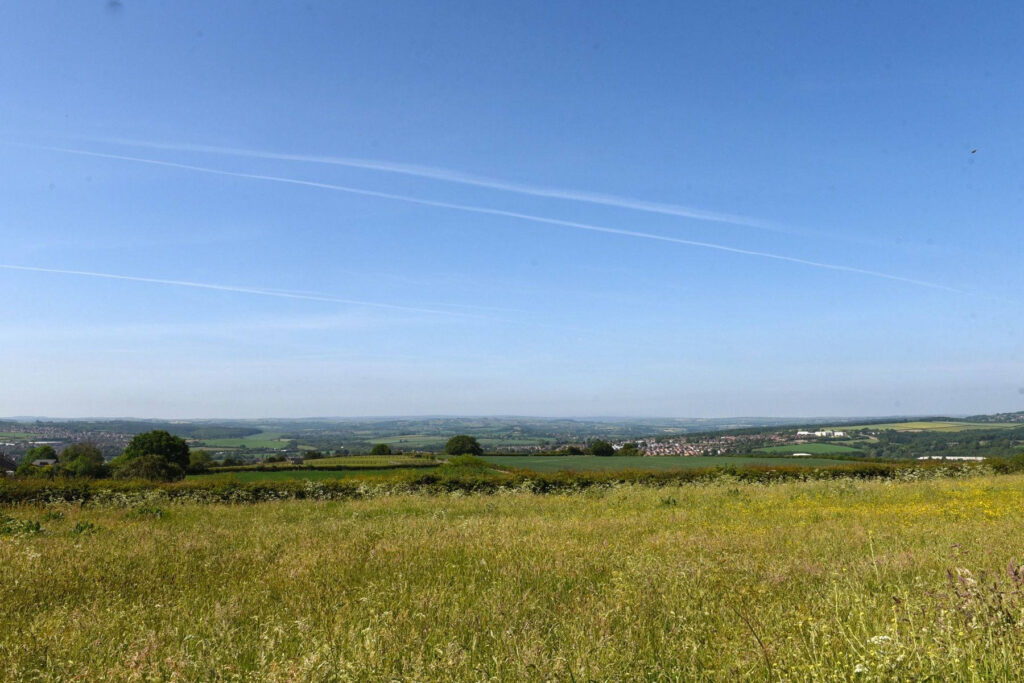
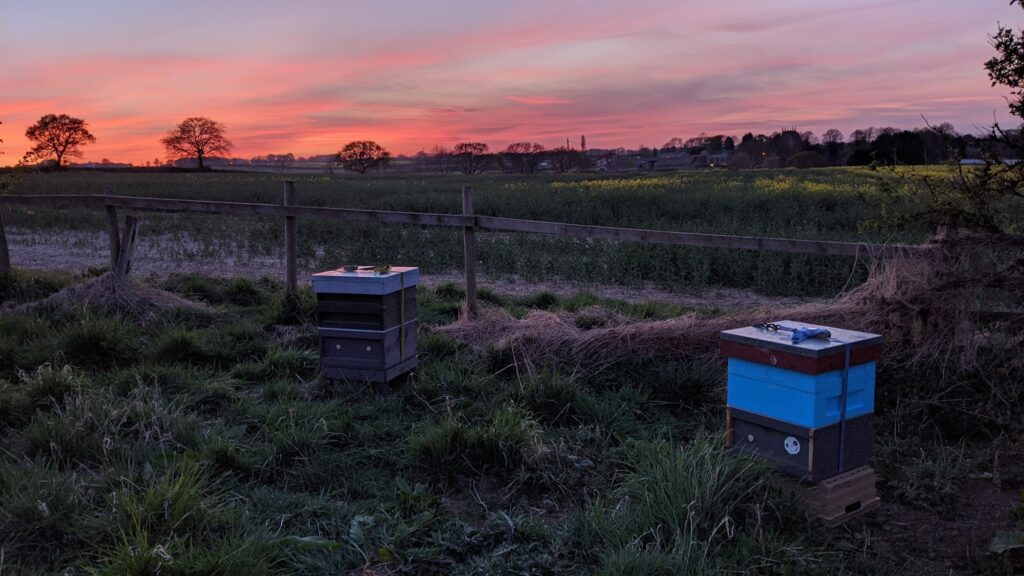
Here on our smallholding overlooking the hills towards Penistone, no two jars are ever quite the same. And that’s exactly what makes Yorkshire honey so special.
Why Yorkshire Honey Tastes Different: The Landscape Matters
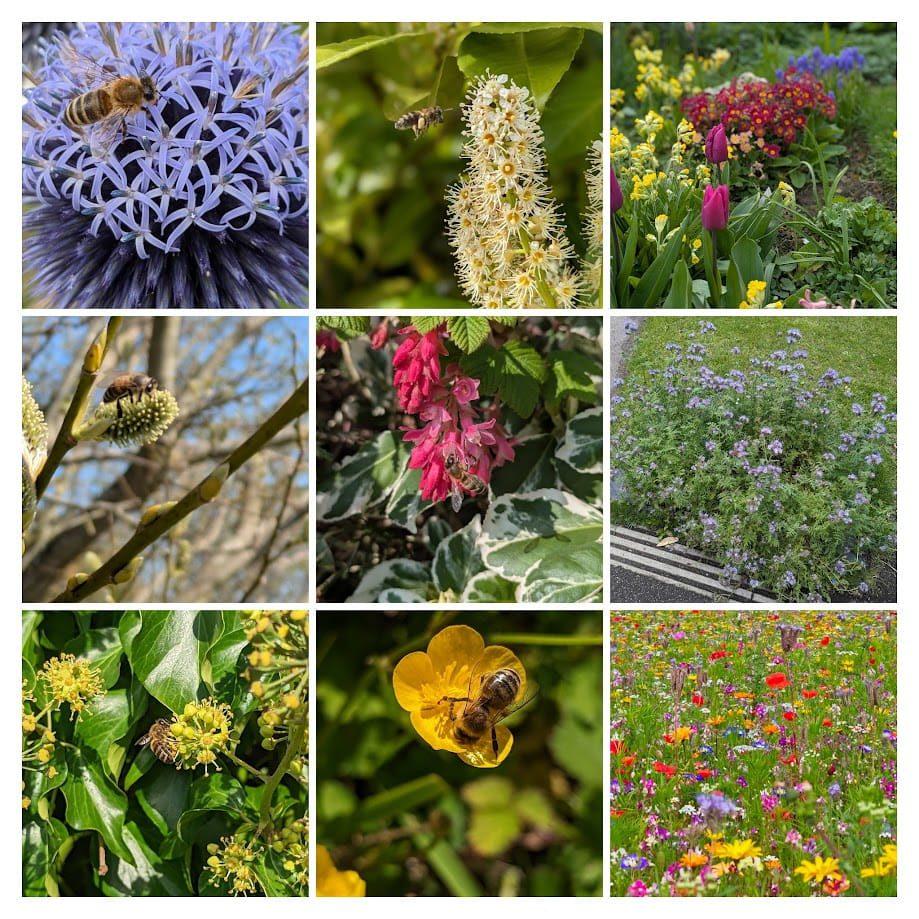
Yorkshire isn’t just one environment – it’s a patchwork of:
- Wildflower meadows
- Hedgerows bursting with hawthorn and blackberry
- Heather moorland
- Clover-rich pastures
All of this sits within a relatively small area, giving bees an incredibly diverse forage.
The result?
Honey with depth, character, and subtle variation – not the flat, one-note sweetness you’ll often find in supermarket blends.
Every Jar Reflects a Moment in Time
One of the most overlooked things about real honey is this:
Honey is seasonal, just like fruit or wine.
Early summer honey might be: Light, Floral & Delicate
Later in the season, it becomes: Richer, Deeper & More complex
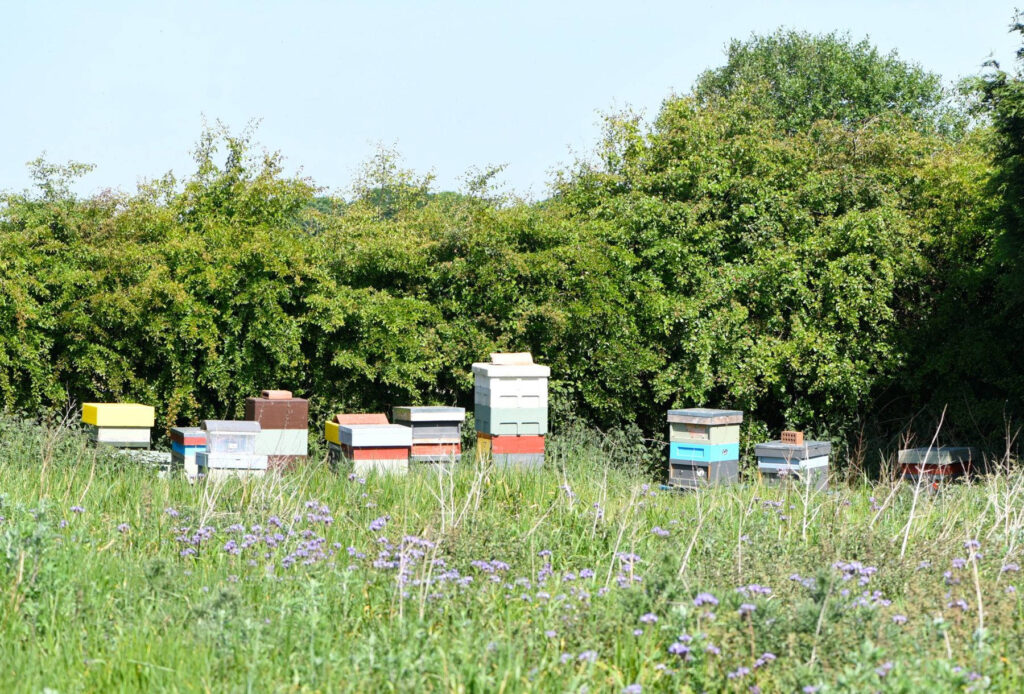
From our own hives, you can actually taste the shift as the bees move from blossom to clover to late-summer forage.
That’s not inconsistency: that’s authenticity.
Raw, Unprocessed, and Alive With Character
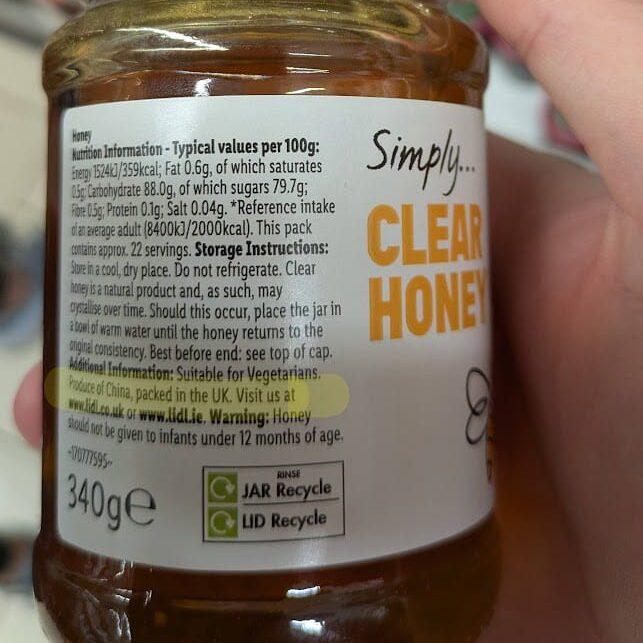
Most supermarket honey has been:
- Heated
- Ultra-filtered
- Blended from multiple countries
This process removes:
- Natural pollen
- Enzymes
- Much of the original flavour
It also standardises the taste so every jar is identical.
By contrast, proper Yorkshire honey is typically:
- Raw (not overheated)
- Minimally filtered
- Unblended
Which means what you’re tasting is exactly what the bees created – nothing added, nothing taken away.
Why Yorkshire Honey Often Crystallises
If you’ve ever opened a jar and found it’s gone firm or “set” – don’t worry.
That’s actually a sign of quality.
Real, raw honey naturally crystallises over time, especially when it contains higher levels of natural glucose (common in UK forage like oilseed rape and clover).
In fact, if your honey never changes texture… it’s worth questioning why.
A Beekeeper’s Perspective (From Our Hives)
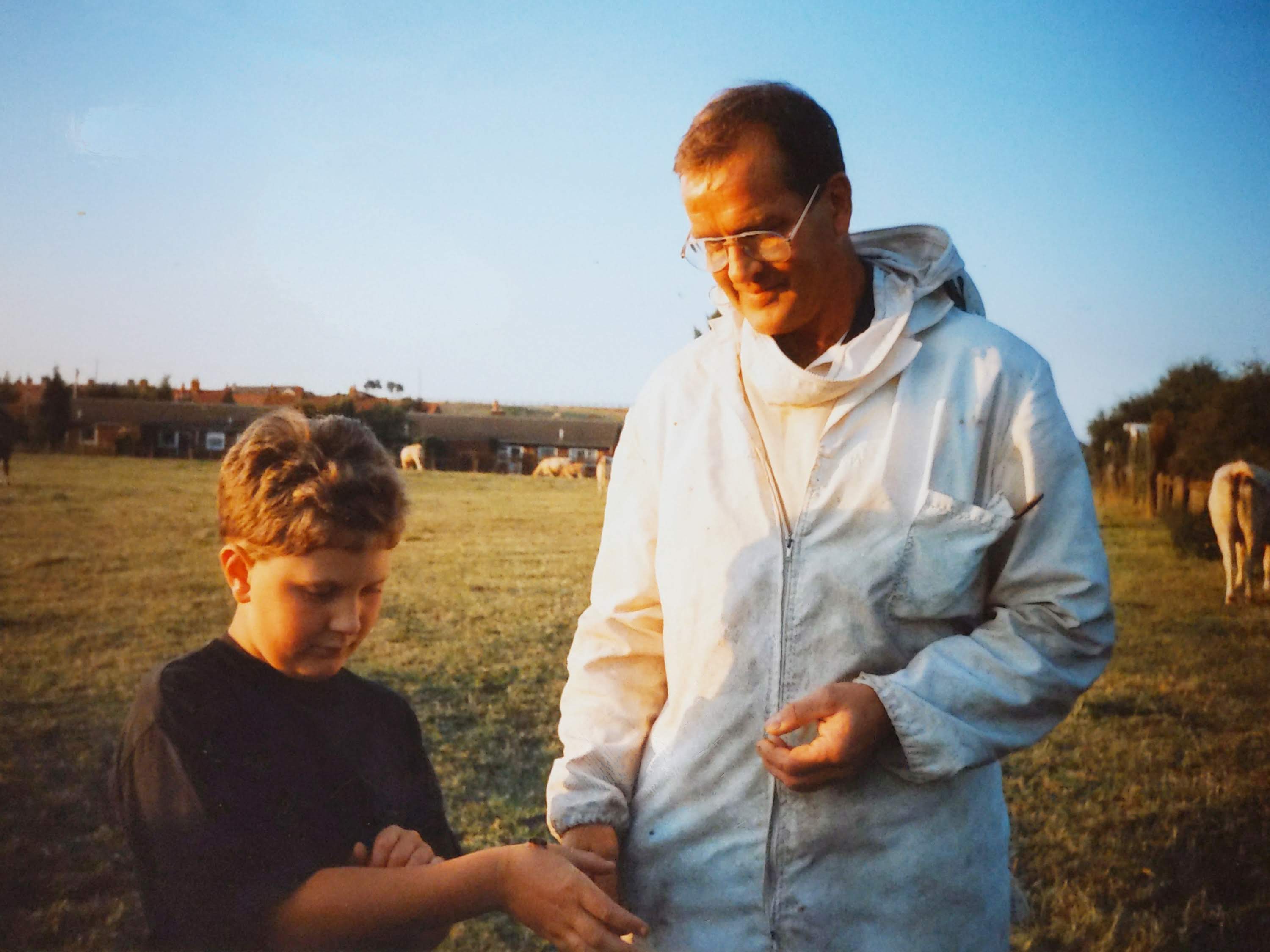
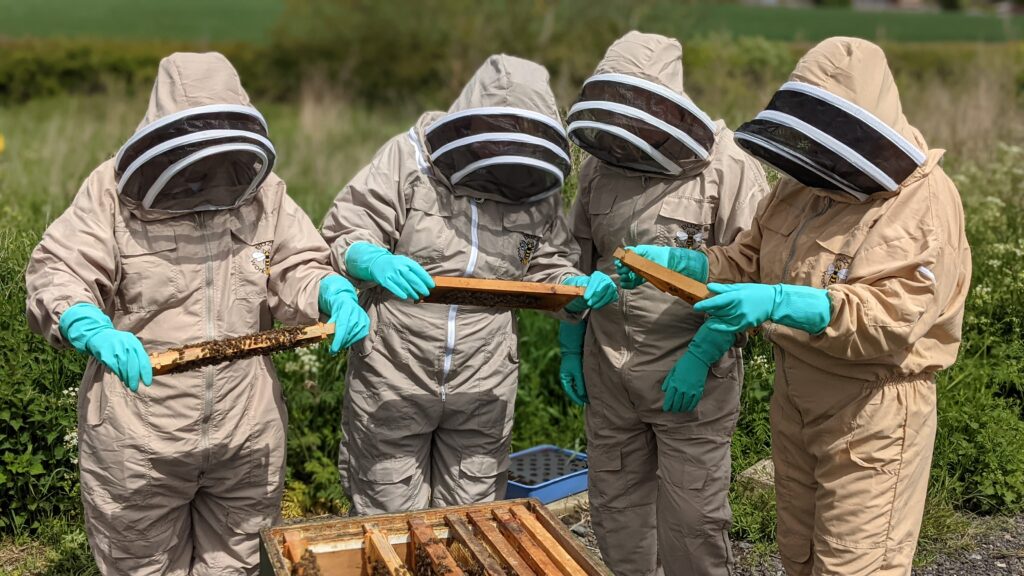
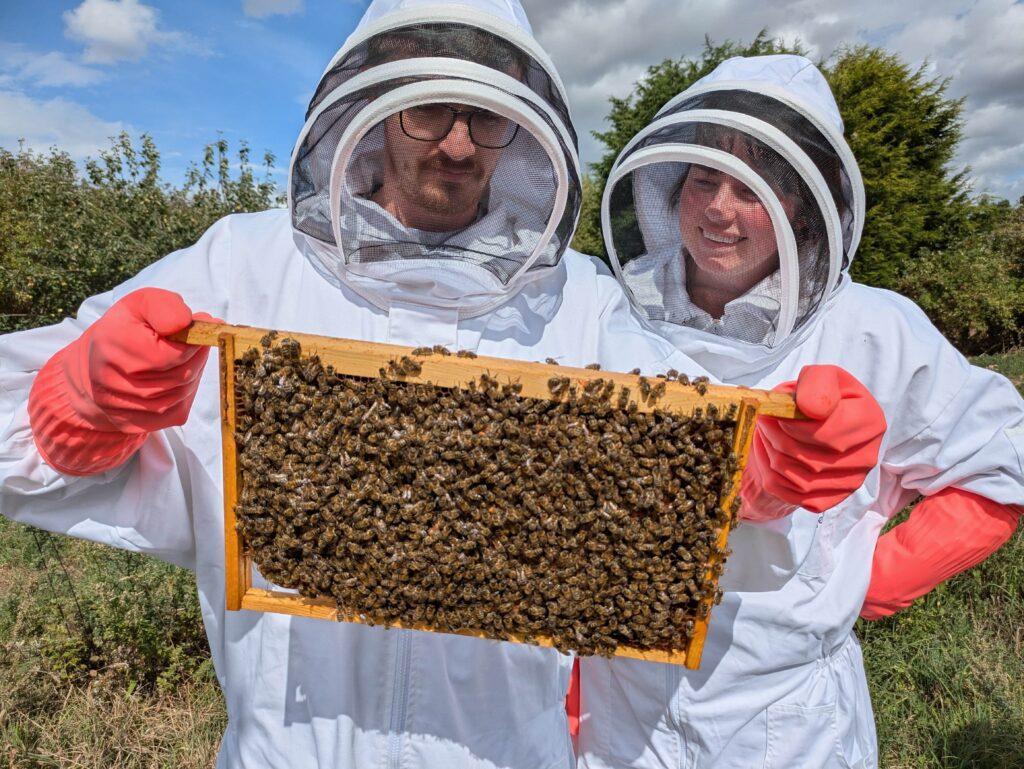
Our journey into beekeeping didn’t start with a business plan – it started with a swarm, a bit of curiosity, and a lot of learning the hard way.
From those early days (with a fair bit of trial, error, and the occasional sting), we’ve come to understand something simple:
Good honey isn’t manufactured – it’s stewarded.
Looking after bees properly means:
- Respecting their natural cycles
- Harvesting carefully
- Leaving enough for the colony
- Working with the seasons, not against them
That care shows up in the jar.
So… Is Yorkshire Honey Worth It?
In simple terms: yes – if you value quality, transparency, and flavour.
When you buy local Yorkshire honey, you’re getting:
- A product tied to a real place
- Honey that hasn’t been industrially altered
- Support for local beekeepers and pollination
- A completely different taste experience
It’s not just honey – it’s a snapshot of the landscape your bees live in.
Taste the Difference for Yourself
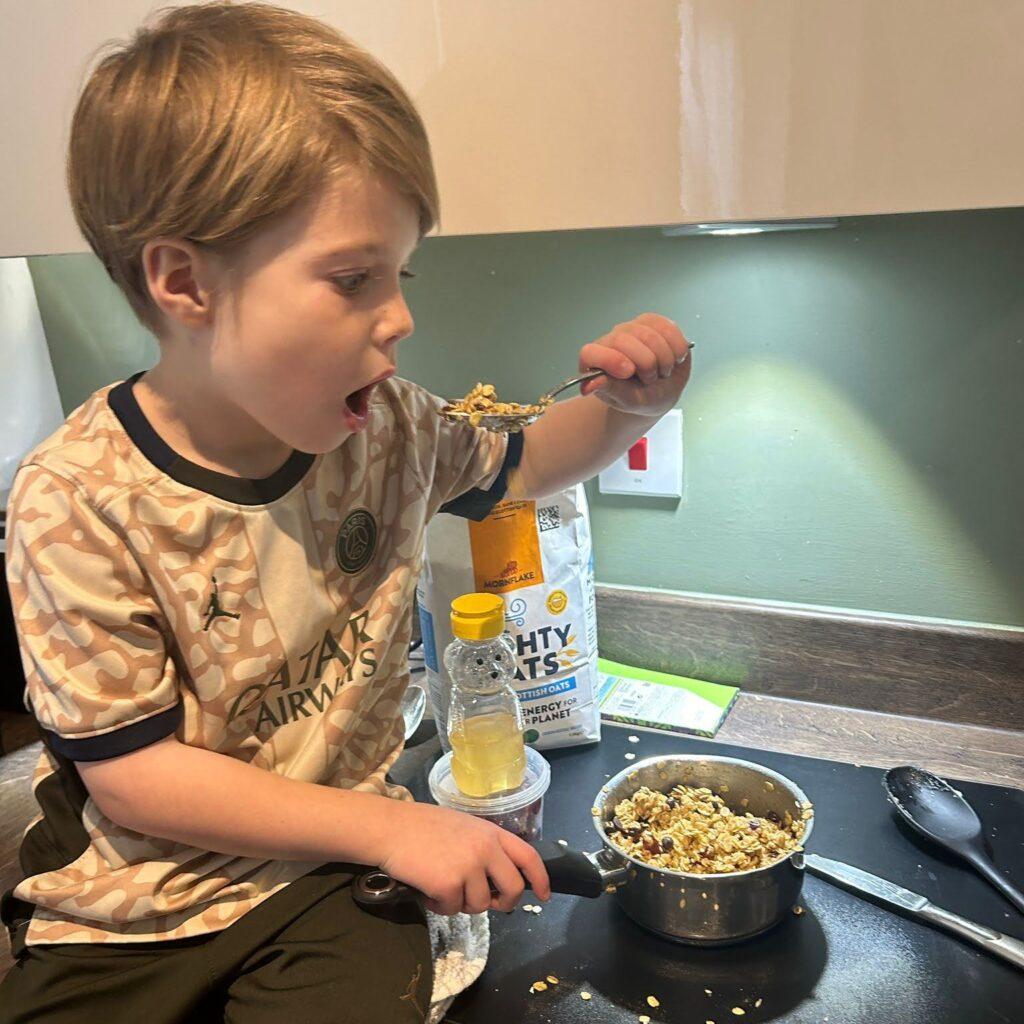
If you’ve only ever tried supermarket honey, the difference can be surprising.
Whether you:
- Drizzle it over toast
- Stir it into tea
- Or taste it straight from the spoon
Real Yorkshire honey has a character that’s hard to go back from.
And if you’d like to go a step further… You can even visit us, see the hives, and experience where it all begins.
Final Thought
Once you understand what goes into real honey – the landscape, the seasons, the bees themselves – you start to see it differently.
Not just as something sweet… But as something alive with place, time, and care.