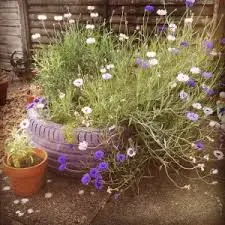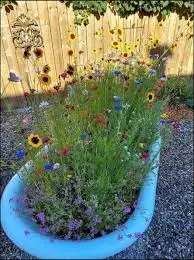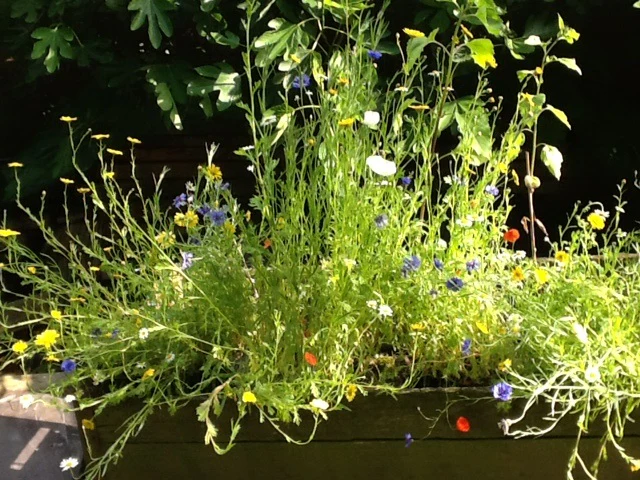
We’re on a mission to create pollinator corridors across Barnsley
From window boxes in Wombwell to gardens in Penistone, from school yards to scruffy corners of lawns that “haven’t quite got round to mowing yet” – we want Barnsley buzzing.
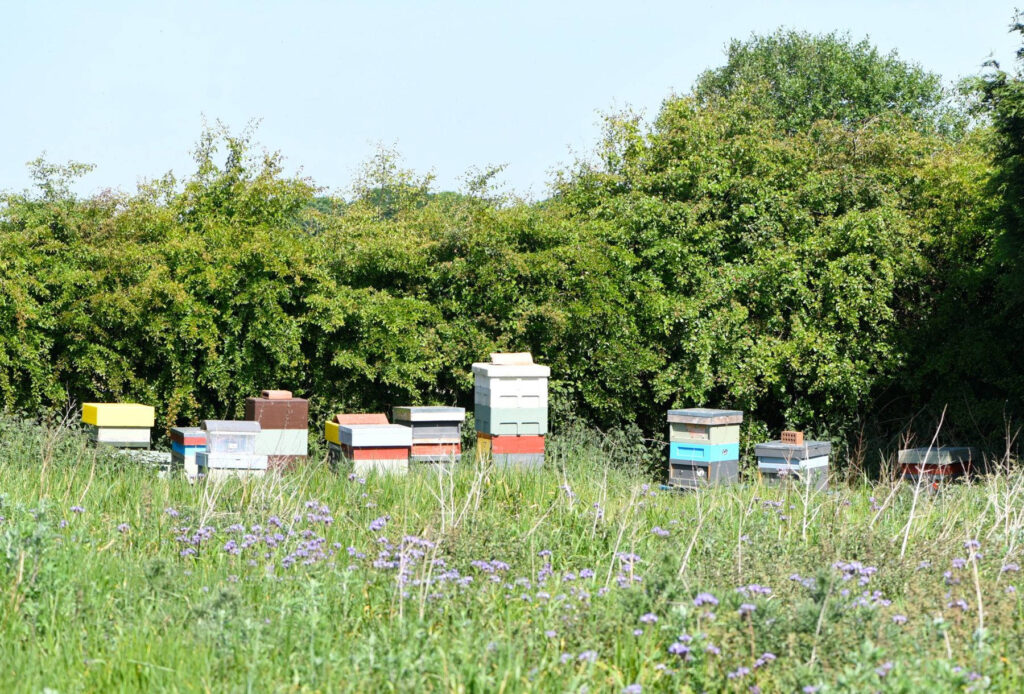
Pollinators don’t need perfection. They need flowers, variety, and a bit of kindness. And that’s where you come in.
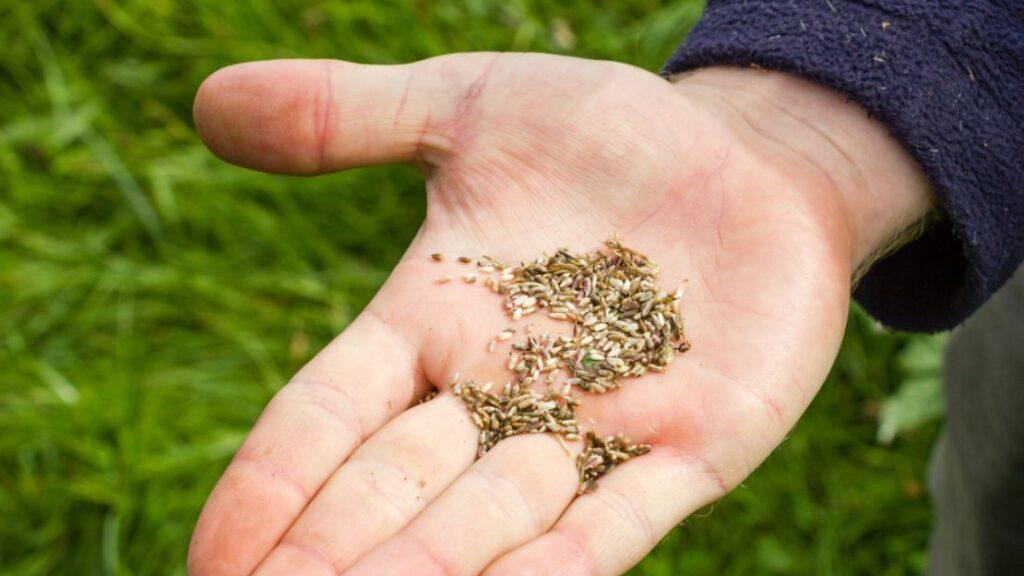
So we’re giving away free wildflower seed packets.
No forms. No conditions. No awkward sales pitch.
Just seeds 🌱
Why Are We Doing This?
Because pollinators are the beating heart of our landscape. Without them, our food system falters, wildflowers fade, and the countryside grows strangely quiet.
As Chairman of Barnsley Beekeepers, I wrote an open letter inviting Barnsley to imagine itself as a pollinator paradise – a place where gardens, verges and green spaces stitch together into living corridors of nectar and pollen: https://barnsleybeekeepers.org.uk/dear-barnsley-council
These free seeds are our small but practical way of turning words into flowers.
What’s in the Seed Packet?
Each packet contains a carefully chosen mix that’s easy to grow, tough as old boots, and genuinely useful to insects:
- Borage – absolutely guaranteed to bloom (we’d stake our veil on it)
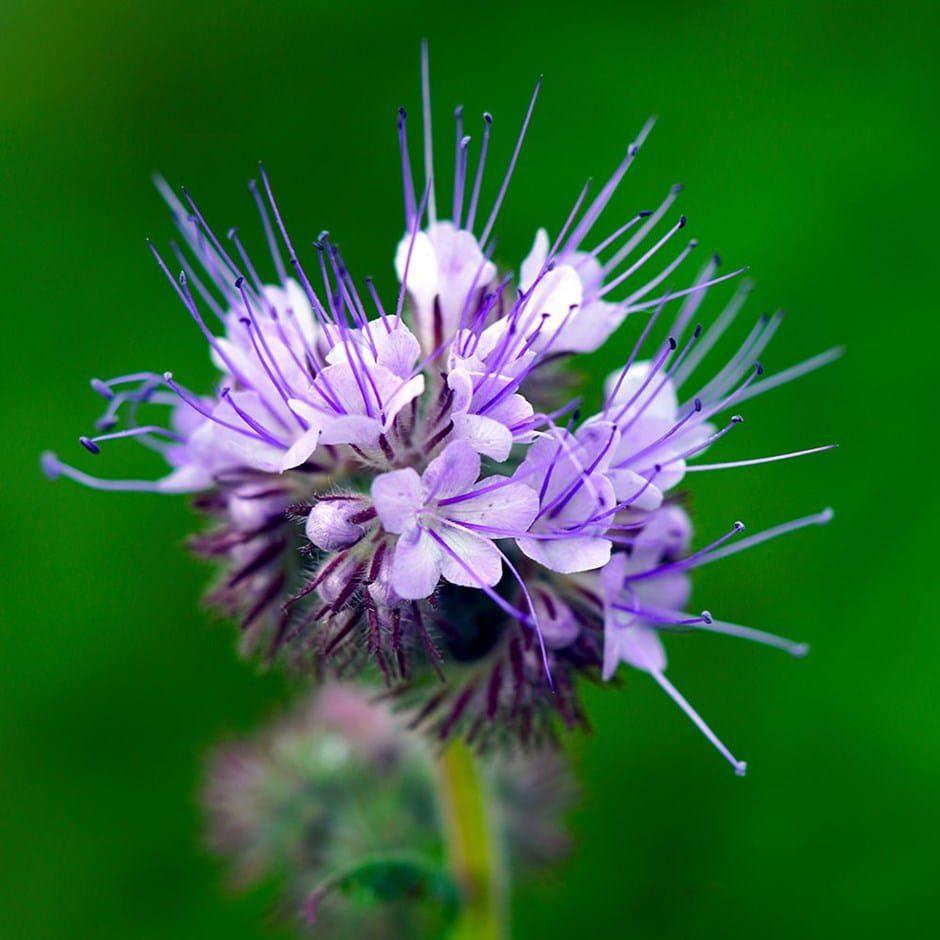
- Phacelia – fast-growing, nectar-rich, and adored by bees
- Sunflower – food for pollinators and winter birds
- Sainfoin – brilliant forage, especially for bumblebees
- Linseed (Flax) – delicate blue flowers, early colour
- Reed Canary Grass – not flashy, but vital cover and hiding spots for insects
This isn’t about neatness. It’s about life.
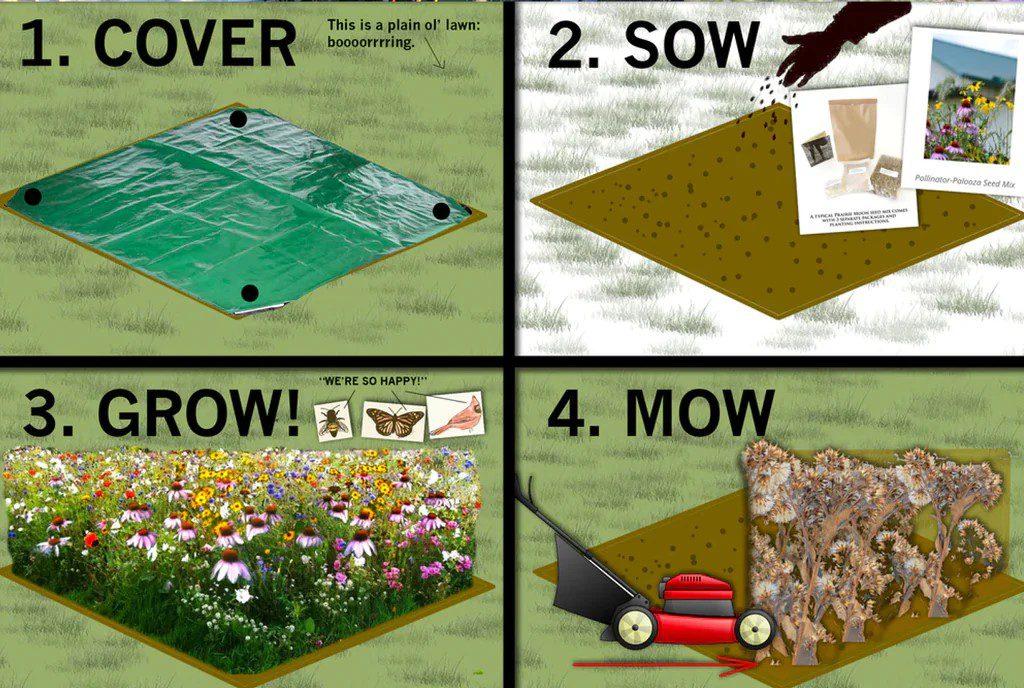
How to Plant Them (No Expertise Required)
- Find a sunny-ish spot – garden, pot, raised bed, verge, or forgotten corner
- Scratch the soil (no digging marathons required)
- Scatter the seeds – don’t overthink it
- Press them in and give a light water
- Then leave them alone (this is the hardest bit)
That’s it. Nature does the rest.
When Should I Plant These Seeds?
Good news: this mix is forgiving. You don’t need to hit a single perfect day – just avoid frost and baked-hard ground.
Best time to plant
March to May
This is the sweet spot. Soil is warming, daylight is increasing, and everything in the mix will germinate happily.
Still fine to plant
June to early July
You’ll still get flowers this year, especially borage, phacelia and sunflowers – just keep the soil damp while they get going.
A Quick Word About Honey (and a Small Apology)
If you’re growing flowers, our bees might forage on them.
They also might visit your neighbour’s hedge, the railway embankment, a clump of dandelions, and something mysterious growing behind the Co-op.
So no – sadly we can’t offer a “you grew the flowers so here’s a discount” scheme.
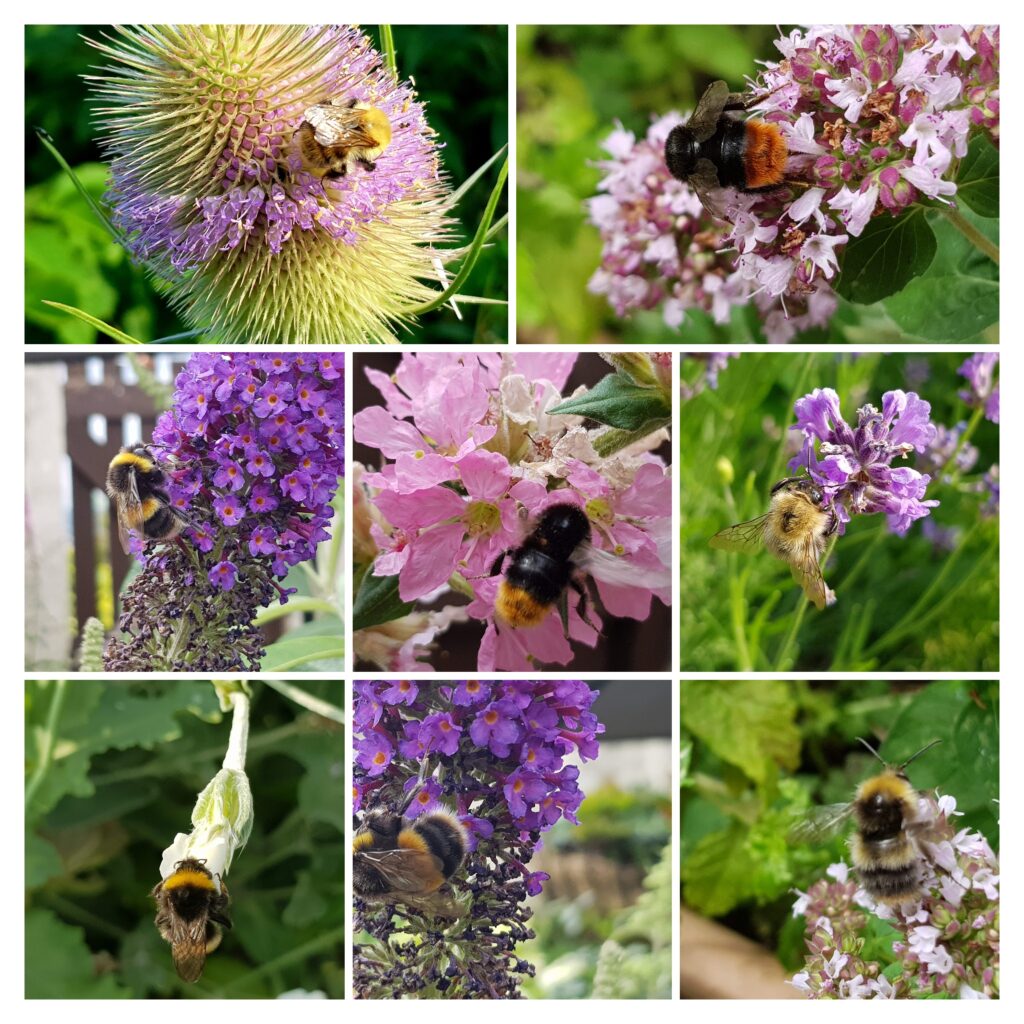
But what you are doing is supporting:
- Honey bees 🐝
- Bumblebees
- Solitary bees
- Hoverflies
- Butterflies
- And a whole unseen army of insects that keep ecosystems running
And if you do fancy tasting local honey made from the landscape you live in, well… have a browse. No pressure 😉
This Is Bigger Than Honey
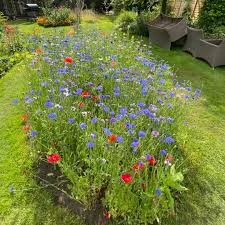
Over 97% of flower-rich meadows have disappeared since the 1930s. But research shows that small patches planted well can punch far above their weight for pollinators.
Your garden. Your planter. Your patch of “messy”.
It all counts.
Together, these small actions create pollinator corridors – living highways that let insects move, feed, breed, and survive.
Free Seeds. No Catch.
Just flowers.
Just bees.
Just Barnsley doing something blooming brilliant.