
Description
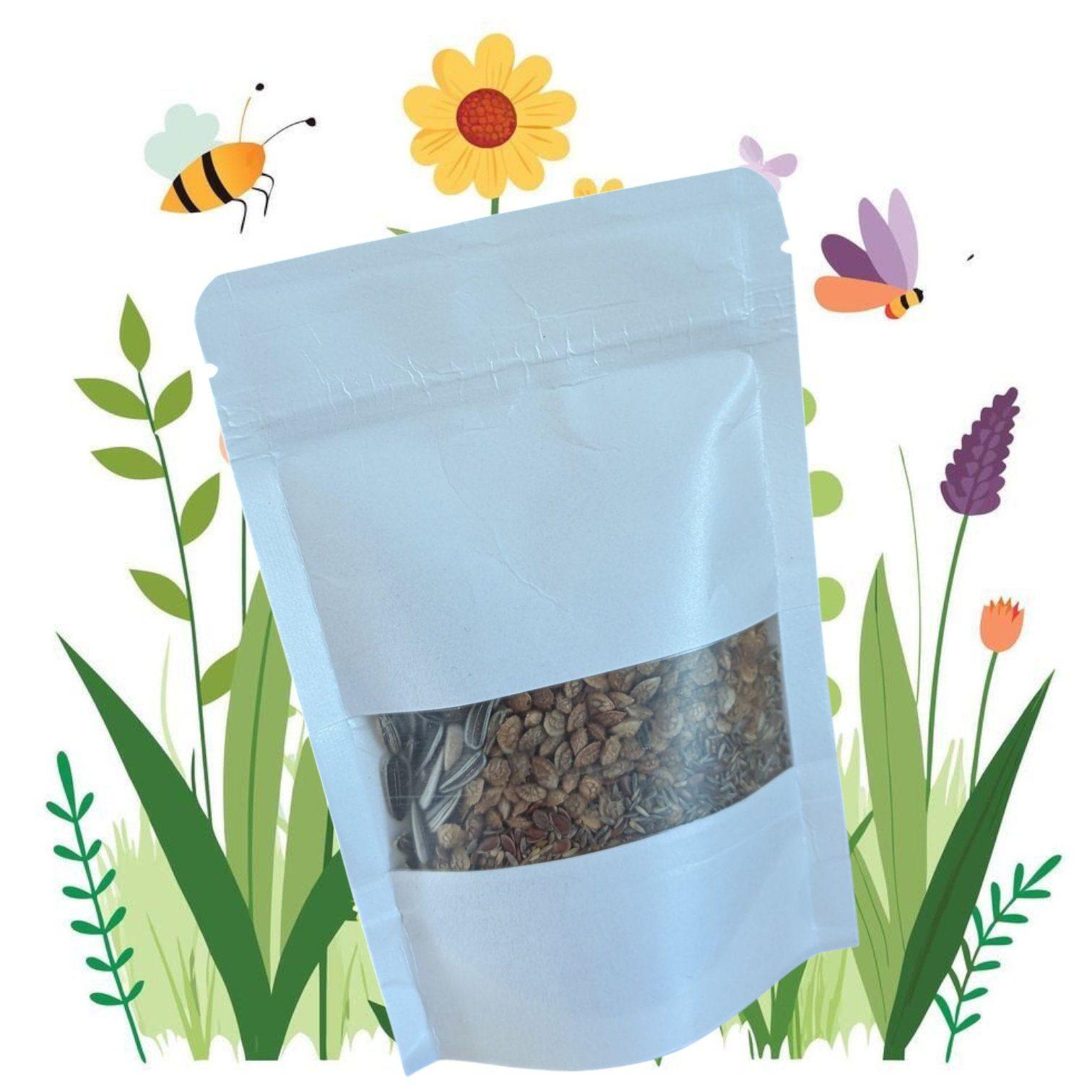
Pollinator Seed Mix for Bees, Butterflies and Beneficial Insects
Transform even a small corner of your garden into a thriving habitat with our pollinator seed mix, carefully designed to provide nectar, pollen and shelter for bees, butterflies and other beneficial insects.
This thoughtfully selected blend combines fast-flowering nectar plants with structural species that create a mini ecosystem where pollinators can feed, shelter and thrive throughout the season.
Perfect for wildlife gardens, borders, allotments and small pollinator patches.
What’s Inside the Mix
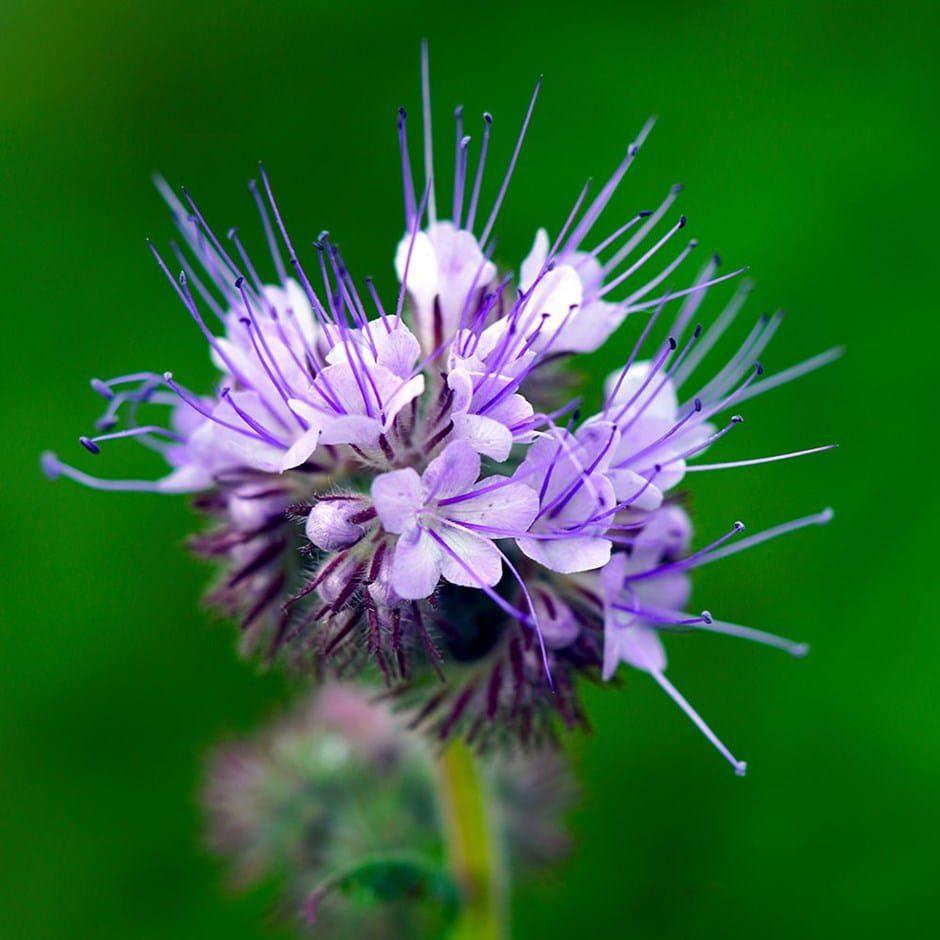
Phacelia
A true pollinator powerhouse, producing dense clusters of nectar-rich flowers that attract honeybees, bumblebees, hoverflies and butterflies. Fast-growing and incredibly productive.
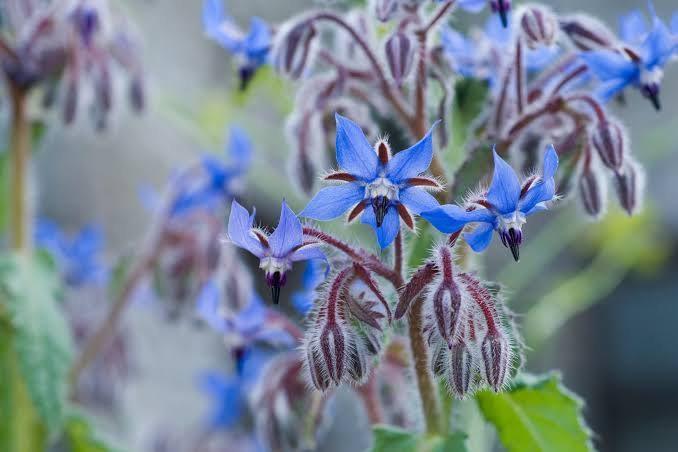
Borage
One of the best plants for bees. Borage replenishes its nectar multiple times a day, providing a reliable food source with its bright blue star-shaped flowers.
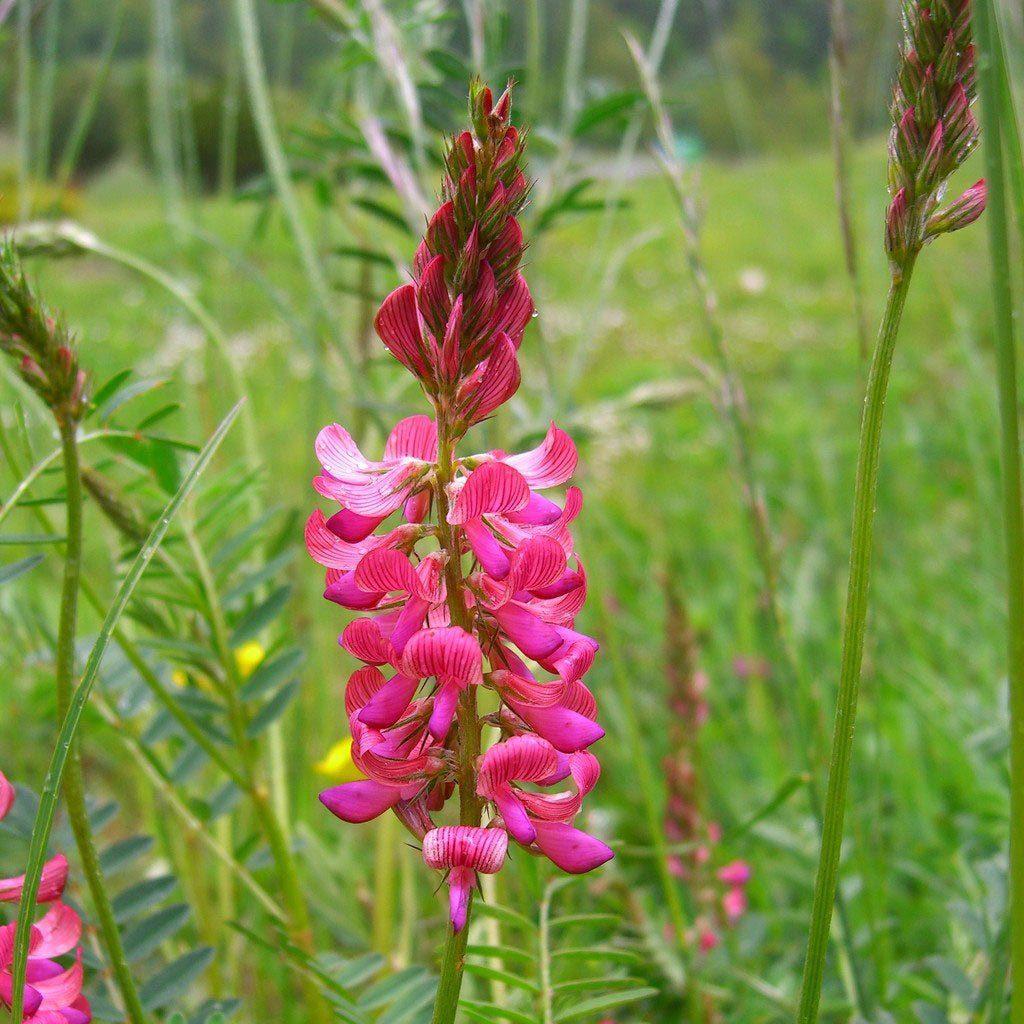
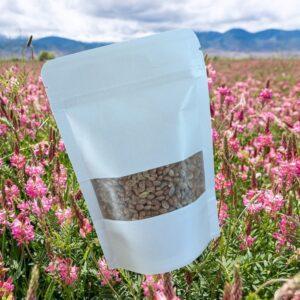
Sainfoin
A traditional meadow flower highly valued by pollinators. Its beautiful pink blooms attract honeybees and bumblebees while naturally improving soil health.
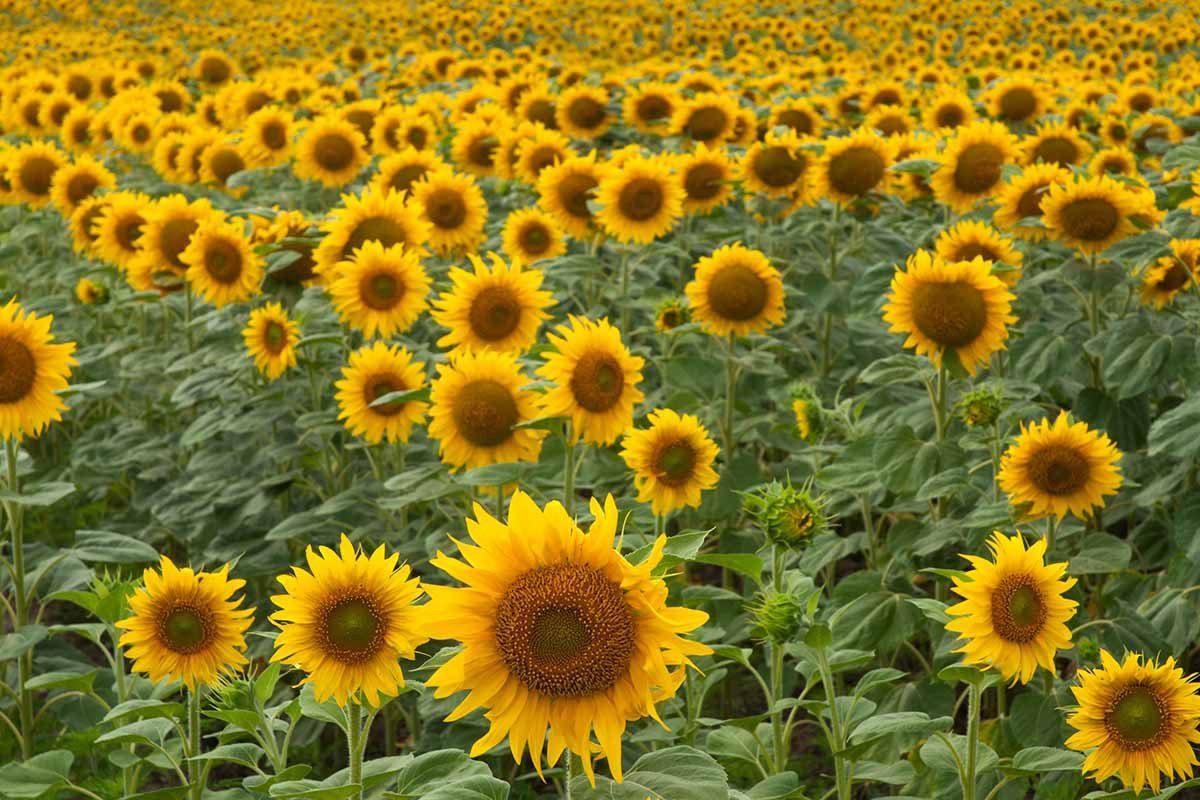
Black Sunflower
Sunflowers provide pollen and nectar for bees during flowering, and later produce seeds that support birds — helping wildlife beyond the growing season.
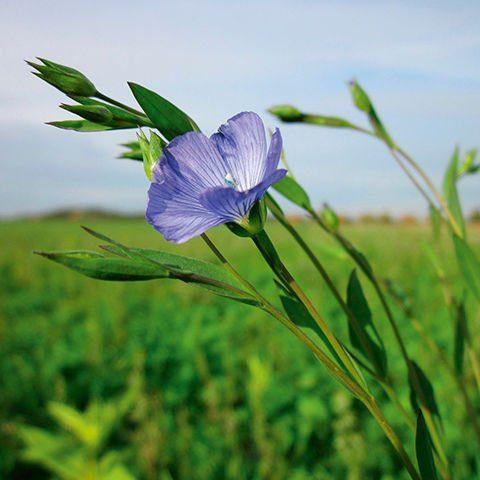
Linseed (Flax)
Delicate blue flowers that support smaller pollinators while adding beauty and diversity to the patch.
Reed Canary Grass
While not a nectar source, it provides structure and shelter, offering habitat and overwintering sites for beneficial insects.
Create Your Own Pollinator Patch
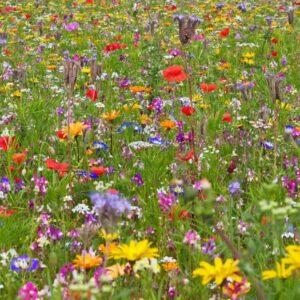
Every plant in this mix was chosen not only for nectar and pollen, but to help create a balanced, resilient habitat for pollinators.
Even a small 1m × 1m patch can provide valuable forage for bees and butterflies.
Imagine if every garden, balcony, or allotment had just one small pollinator patch – together we could create a vast network of mini wildlife sanctuaries helping pollinators thrive again.
Planting Instructions
When to Sow
Early spring to early summer, or autumn in mild conditions.
How to Sow
Scatter seeds thinly onto well-prepared bare soil.
Lightly rake or press seeds into the soil surface – many need light to germinate.
Watering
Keep soil moist but not waterlogged until seedlings establish. Water during dry spells if needed.
Maintenance
Minimal. Allow plants to flower and set seed if you want them to self-seed and return naturally.
Coverage
A 50g pack covers approximately 2–3m².
For a dense and vibrant 1m² pollinator patch, use around half a packet (25g).
Why Plant a Pollinator Patch?
Pollinators are essential for both wild ecosystems and food production, yet many species are under pressure due to habitat loss.
By planting even a small patch of nectar-rich flowers, you can:
-
Provide food for bees and butterflies
-
Support hoverflies and beneficial insects
-
Increase biodiversity in your garden
-
Create a beautiful, living display of flowers
Within just a few weeks, your patch could be buzzing with life.
Are these seeds good for bees?
Yes. The mix includes several nectar-rich flowers loved by bees, including phacelia, borage and sainfoin.
Can I grow this in a small garden?
Absolutely. Even a 1m² pollinator patch can provide valuable forage for pollinators.
When should I plant pollinator seeds?
Seeds can be sown from early spring through early summer, or in autumn if soil conditions are suitable.
Reviews
There are no reviews yet.