Description
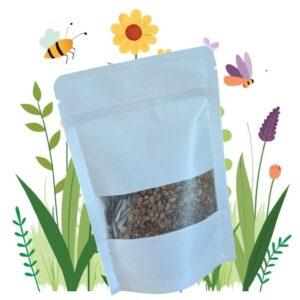
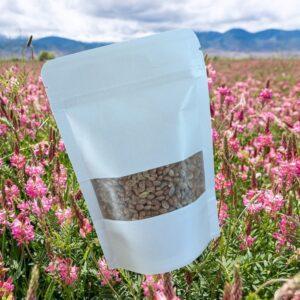
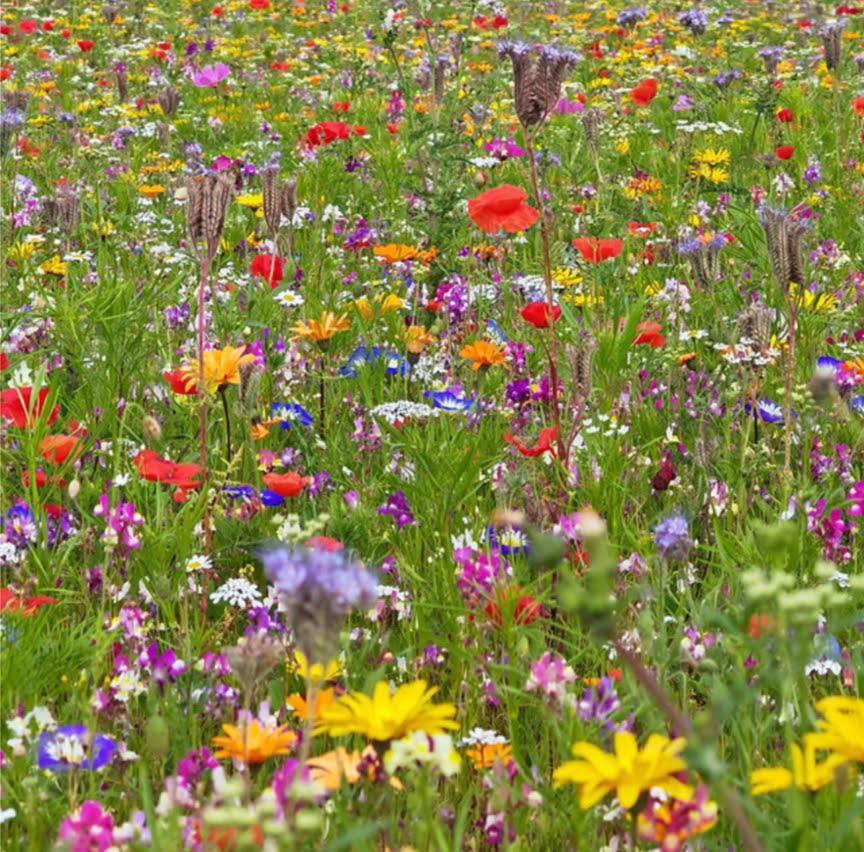
This annual wildflower seed mix is specially selected to create a vibrant, nectar-rich display while supporting bees, butterflies and other pollinators. Combining UK native cornfield flowers with colourful garden annuals, this bee friendly wildflower seed mix flowers in its first growing season and delivers reliable, high-impact results.
If you are looking for an easy-to-grow pollinator seed mix that provides colour and ecological value, this blend is ideal for gardens, allotments and wildlife areas.
Annual Wildflowers Included:
California Poppy, Cornflower (extra content), Phacelia, Love-in-a-Mist, African Daisy, Corn Poppy, Blue Flax, Dwarf Cosmos (Garden), Larkspur, Black-Eyed Susan, Red Flax, Shirley Single Poppy, Candytuft, Echium ‘Blue Bedder’, Zinnia elegans, Corn Marigold, Godetia (Azalea Flowered), Baby’s Breath, Sulphur Cosmos (Dwarf), Corn Chamomile, Dwarf Morning Glory, Cosmidium ‘Brunette’, Fairy Toadflax, Dwarf Lupin, Corn Cockle,
Why Choose This Annual Wildflower Seed Mix?
- Flowers in the first growing season
- Excellent nectar and pollen source for bees
- Bright mix of reds, oranges, yellows, blues, purples and whites
- Easy to grow – suitable for beginners
- Suitable for spring or autumn sowing
Many species included are recognised for their pollinator value, with several appearing on the RHS Plants for Pollinators list.
Pack Size & Coverage – Wildflower Seeds UK
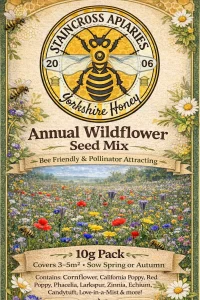
10g pack
Recommended sowing rate: 2-3g per m²
Covers approximately 3-5 square metres
This annual wildflower seed mix performs best on well-prepared, weed-free soil with lower fertility levels. Avoid adding fertiliser before sowing, as wildflowers thrive in less nutrient-rich ground.
When to Sow Your Bee Friendly Wildflower Mix
Sow from March to May or August to October. Lightly rake seed into the surface and firm gently. Keep moist during germination.
Perfect For:
- Pollinator gardens
- Bee-friendly planting schemes
- Allotments and smallholdings
- Wedding flower patches
- Seasonal cut flowers
Growing nectar-rich annual flowers helps support local honey bees during key foraging periods. You can learn more about how bees use garden forage on our Bee Friendly Planting Guide or explore our raw local honey to taste the difference pollinator-friendly planting makes.