Yorkshire honey from our own hives
Every jar here comes from our own bees. Most of the hives sit on our family smallholding in Staincross, just outside Barnsley, looking out towards Penistone. A few more live at an out-apiary in Darton. It’s a mix of farmland, hedgerows and gardens, and what the bees bring home changes through the year. So does the honey.
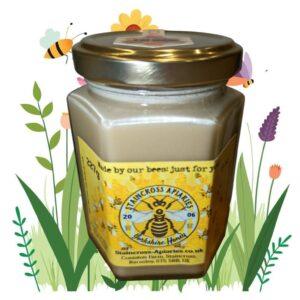
Spring honey comes first. In April and May the bees work the fruit blossom and the oilseed rape in the fields around us. It sets quickly, so most of it becomes our soft set honey: pale, smooth and easy to spread. It’s usually ready by early summer.
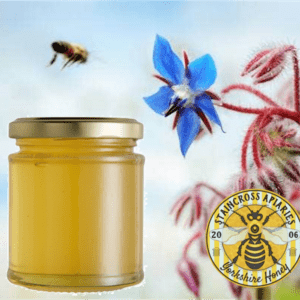
Borage is next. It makes a light, clear honey with a gentle flavour, and it stays runny for ages. We don’t get much of it, so when it’s gone, it’s gone.
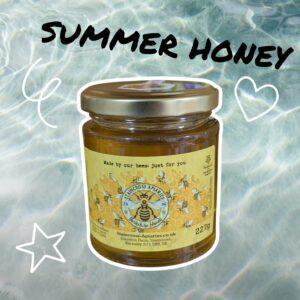
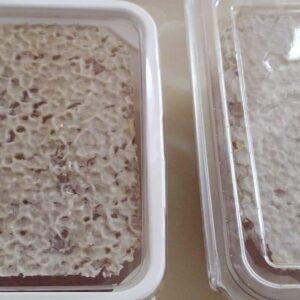
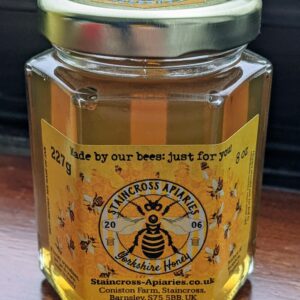
Summer honey is the one most people picture. Clover, bramble and garden flowers give a golden, runny honey with a bit more depth. That’s our clear Yorkshire honey, and our summer cut comb comes from the same crop, sold just as the bees built it.
We don’t heat any of it. We uncap the frames, spin them, and strain the honey just enough to take the wax out. That leaves the pollen in, which is why our honey can look slightly cloudy and why it’ll set in time. Both are good signs.
Every jar has a QR code showing which apiary it came from. Order online, or collect from us in Staincross.
FAQ
Is your honey heated?
No. Our honey is not heated during processing and is only gently strained to remove wax.
Why does local honey sometimes look cloudy or set?
Natural honey may appear cloudy or crystallise over time. This is a normal sign of minimally processed honey.
Can I trace where my honey came from?
Yes. Each jar includes a QR code so you can see details about the apiary and area where your honey was produced.
Showing all 10 results
-

Yorkshire Summer Honey, 227g
£4.75 Read more -
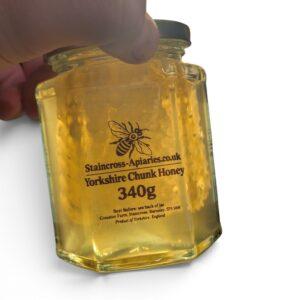
Yorkshire Chunky Honey, 340g
£8.99 Add to basket -
Yorkshire Summer Honey, 60g
£2.00 Add to basket -
Yorkshire Borage Honey, 227g
£6.50 Read more -
Yorkshire Cut Comb Honey, 227g
£8.99 Add to basket -
Yorkshire Honey, 340g
£6.50 Add to basket -
Soft Set Yorkshire Honey 227g
£4.95 Read more -
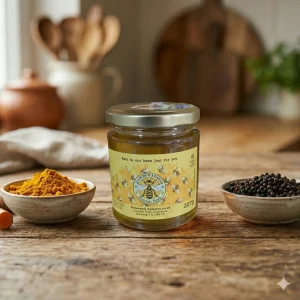
Turmeric, Ginger and Black Pepper – Infused Yorkshire Soft Set Honey aka Flu Bomb
£6.90 Read more -
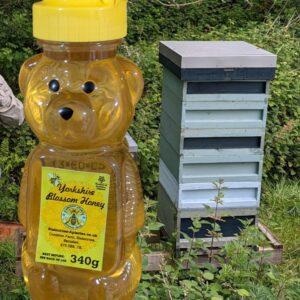
340g Honey Squeeze Bear
£6.00 Add to basket -
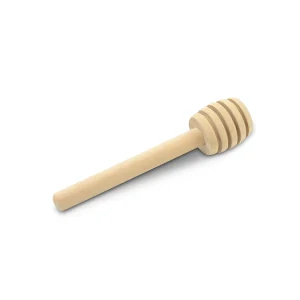
Honey Drizzler
£0.40 Add to basket